My first experience with a Community of Practice (CoP) was actually called a Professional Learning Community (PLC), except it wasn’t a PLC, it was a CoP. (More about the differences between a PLC and a CoP in a later blog post.) We were peppered with a loose schedule each academic year (which I believe is how a true PLC is set up), but we truly followed our practice of UDL together, rather than following the schedule, we followed the learning. We gathered in our hope of learning more about Universal Design for Learning (UDL) as a group of Visual Art Teachers. We experienced UDL, as we learned about UDL. We had a facilitator who understood our context and eventually, over the course of a few years, I became the facilitator. We shared the role of facilitator even when we had a dedicated facilitator, we modeled what could be within spaces of schooling. We shared lessons and units – we received feedback on said lessons and units. We met each week on Google Meet or Zoom in the beforetimes (before COVID-19 and the pandemic brought us all to our knees and behind our screens). I recorded each session using screencastify and dropped them each into a shared Google Drive. We have records of our learning and could go back to hear the brilliance within the group. We met for over 5 years like this, diving deeply into UDL, practicing our work together, and receiving feedback from each other.
My most recent experience with a CoP was for my action step for my dissertation. I gathered and facilitated a group of coaches learning about radical love in coaching while experiencing radical love. It was a lofty goal to have these experiences intertwined in order for radical love to become something alive and real within our school contexts. We gathered each week for 6 weeks – learning about radical love, making sense of it on our own and in community, and we practiced. I will share about each of the 6 sessions and how they connected to the concept and action of radical love in future blog posts (so stay tuned!)
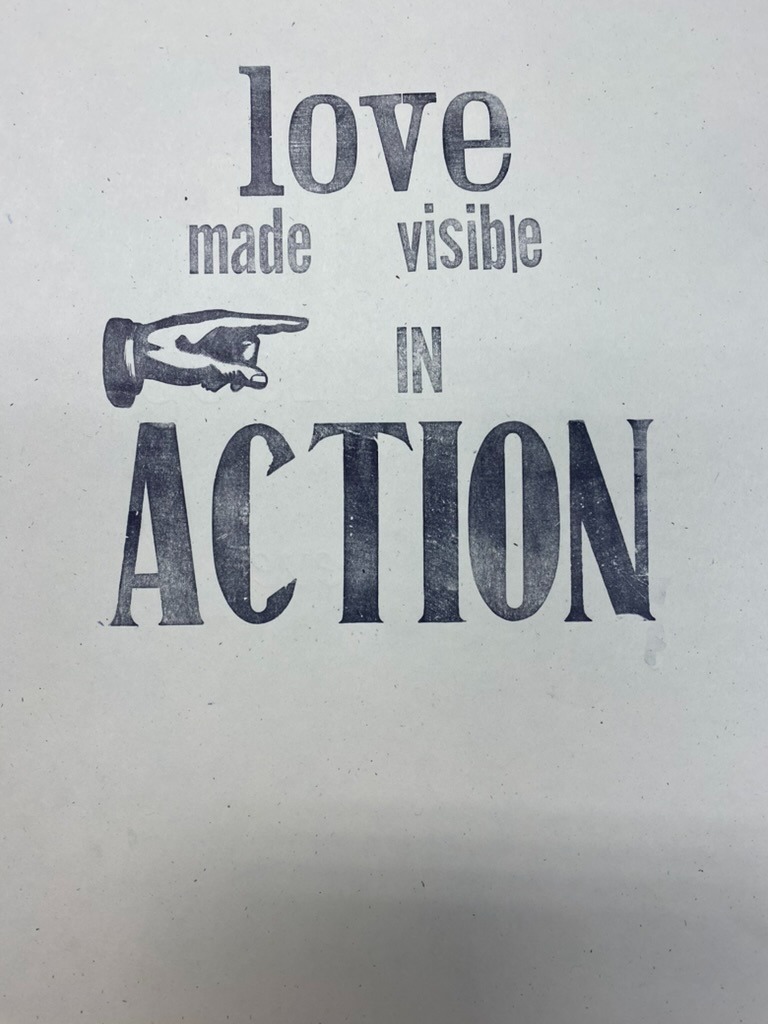
We practiced using radical love as an anchor, a foundation, the roots of where we wanted to head. Radical love is many things, but firstly it is not just a feeling – it is an action – not sentimental, but fierce. Radical love is based on Paulo Freire and bell hooks’ work. Paulo Freire called it armed love and bell hooks called it a love ethic. I call it radical love- radical as described by Angela Davis as “getting to the root of something” and love because it is the deep abiding action that can move mountains. Radical love has the possibility to shift the way we do school. It has the possibility to shift the way we do life.
Which is remarkable.
We practiced at first through looking at scenarios – making them our own, in our own language, our own voice. This led us through deep reflection on different ways we can build trust at multiple levels – the interpersonal, the one on one, moving towards building at a school wide faculty level. Radical love in the service of educators has characteristics of wellbeing, care, trust, and high expectations. These characteristics are the ways we practice radical love, making it an action. Making it radical.


3 thoughts on “Communities of Practice (CoP): The Beginning”